
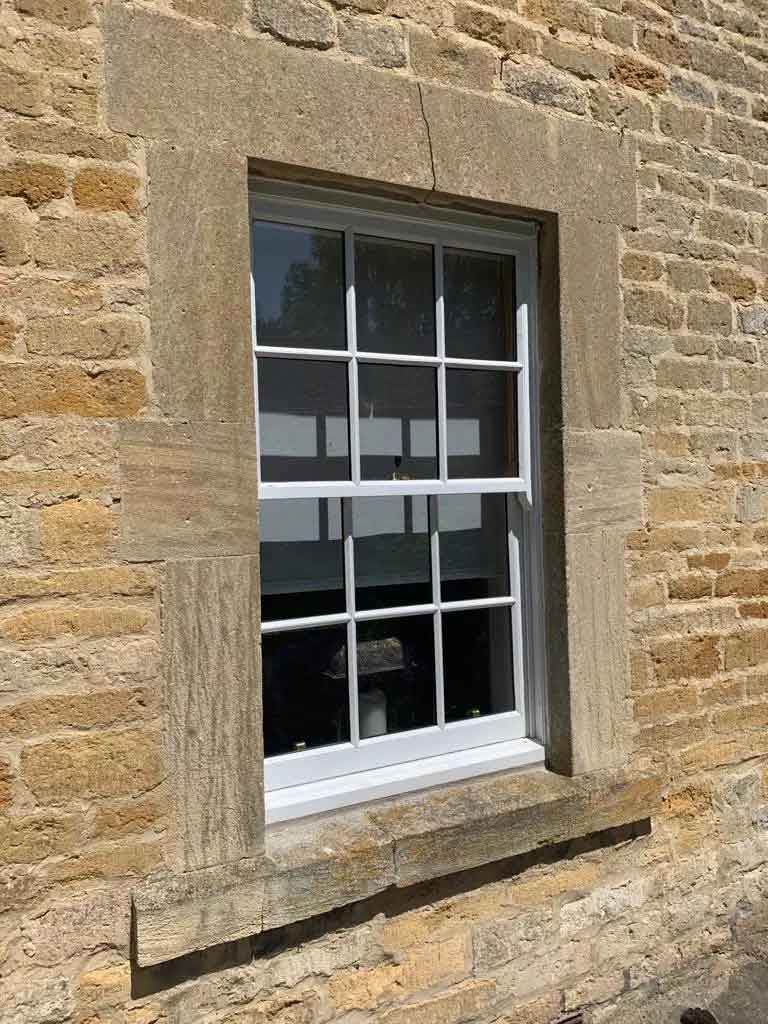
If you are looking for sash and case window repairs in Stirling, Dunblane, Bridge of Allan, Kings Park Stirling contact Hillhead Joiners on 07710 096553.
Sash and Case Windows: A Storied Tradition in Stirling, Scotland
Nestled in the heart of Scotland, the historic city of Stirling boasts a rich architectural heritage that reflects its long and storied past. Among the many architectural features that define the city’s character, sash and case windows stand out as iconic elements of Stirling’s built environment. These elegant and functional windows have graced the city’s buildings for centuries, and they continue to play a vital role in preserving the charm and authenticity of Stirling’s architecture. Sash and case window repairs Stirling.
A Brief History of Sash and Case Windows
Sash and case windows, also known as sliding sash windows, have a history dating back to the late 17th century in Scotland. They were a significant departure from the earlier casement windows, which hinged at the sides and opened outwards. The introduction of sash and case windows was a game-changer in terms of functionality and aesthetics.
These windows consist of two movable sashes that slide vertically within the frame. The counterweighted mechanism, usually hidden within the frame, allows for smooth and balanced operation. This innovation offered several advantages over casement windows. For instance, sash and case windows could be partially opened to allow for ventilation while keeping rain out, making them ideal for Scotland’s often unpredictable weather.
Sash and case window repairs Stirling, Dunblane, Bridge of Allan, Kings Park Stirling
The Architectural Significance
In Stirling, sash and case windows have played a pivotal role in shaping the city’s architectural identity. They are a common feature in various types of buildings, from grand Georgian townhouses to humble cottages. Their versatility and timeless design have made them a preferred choice among architects and builders throughout the ages.
One of the most striking aspects of sash and case windows is their ability to enhance the aesthetics of a building. The symmetrical arrangement of the panes, often divided by glazing bars, creates an elegant and balanced appearance. This design perfectly complements the classical and Georgian architectural styles that can be found in many parts of Stirling.

Sash and case window repairs Stirling, Dunblane, Bridge of Allan, Kings Park Stirling
Preserving Heritage through Restoration
Stirling has been diligent in its efforts to preserve its architectural heritage, including the sash and case windows that are integral to the city’s character. Restoration projects have become a common sight, as property owners recognize the value of maintaining these historic windows. Skilled craftsmen and restoration experts in Stirling take great pride in their work, carefully refurbishing and repairing sash and case windows to their former glory. Timber sliding sash and case renovation Stirling
Restoration goes beyond just maintaining the visual appeal of these windows. It also ensures their functionality, allowing them to continue serving their original purpose efficiently. In a city that experiences a wide range of weather conditions, functional windows are not just a matter of aesthetics but also of comfort and practicality.
Energy Efficiency and Modernization
While preserving the authenticity of sash and case windows is essential, modernization has also found its place in Stirling’s architectural landscape. Energy efficiency is a significant concern for both homeowners and the environment. Therefore, many sash and case windows have been upgraded with double glazing to improve insulation and reduce heat loss.
These modernizations are carefully executed to maintain the historic appearance of the windows. The introduction of slimline double-glazed units and preservation of original glazing bars and proportions ensure that the character of the windows is preserved, even as they become more energy-efficient.
Today, sash and case windows continue to be a defining feature of Stirling’s architecture. New construction projects often incorporate these windows to pay homage to the city’s rich heritage. Additionally, many homeowners choose to retain and restore the original sash and case windows in their properties, recognizing their value both as historical artifacts and functional elements. Sliding sash and case wooden window shutters Stirling.
Sash and case window repairs Stirling, Dunblane, Bridge of Allan, Kings Park Stirling
In 2024 we have also established a dedicated glazier website for all your glazing and glass needs for the Stirling and surrounding areas. Hillhead Glaziers Stirling are a Stirling and Bridge of Allan based professional glazier and carpentry company. We pride ourselves on our reputation for honesty and integrity. We are 100% customer-focused and guarantee customer satisfaction. We always go the extra mile for our customers, taking care of the finer details. We also carry out all types of traditional carpentry and joinery.
The enduring popularity of sash and case windows in Stirling is a testament to their timeless appeal. Whether it’s the graceful curves of a Georgian townhouse or the quaint charm of a traditional cottage, these windows add a touch of elegance and authenticity to the city’s architectural tapestry.

Hillhead Joiners Stirling install, restore, refurbish and repair timber sash and case windows. We also carry out all types of domestic and commercial joinery and carpentry services to Aberfoyle, Balfron, Bridge of Allan, Buchlyvie, Callander, Cambusbarron, Causewayhead, Denny, Dollar, Doune, Dunblane, Falkirk, Gargunnock, Kippen, Larbert, Menstrie, Stenhousemuir, Tillicoultry and all of Central Scotland.
| Joiners Stirling | Wooden Floor Fitters Stirling | Best Facials Stirling | Best Back Massage Stirling |
If you are looking for sash and case window repairs in Stirling, Dunblane, Bridge of Allan, Kings Park Stirling contact Hillhead Joiners on 07710 096553.